
Hoysaleswara Temple
ಹೊಯ್ಸಳೇಶ್ವರ ದೇವಾಲಯ
- Consecration· ನಿರ್ಮಾಣ ಕಾಲ
- c. 1121 CE (12th Century)
- Royal Patron· ಪೋಷಕರು
- King Vishnuvardhana and wealthy patrons of the Hoysala kingdom
- Sanctum Deity· ಪ್ರಧಾನ ದೈವ
- Shiva (Hoysaleswara and Shantaleswara)
- Territory· ಸ್ಥಳ
- Halebidu, Hassan
- UNESCO Heritage· ವಿಶ್ವ ಪರಂಪರೆ
- UNESCO World Heritage Site since 2023 (Sacred Ensembles of the Hoysalas)
Hoysaleswara Temple at Halebidu is one of the finest surviving masterpieces of Hoysala architecture. Dedicated to Shiva, this monumental twin-shrine complex is renowned for its intricate soapstone carvings, elaborately sculpted deities, and continuous bands of stone reliefs depicting elephants, horses, foliage, dancers, and scenes from Hindu epics. Its richly ornamented exterior and remarkable sculptural detail make it a landmark of medieval Karnataka's artistic heritage.
Sanctuary Gallery & Details
Historical Foundations of Hoysaleswara Temple
Constructed during the 12th century under the Hoysala dynasty, Hoysaleswara Temple was built at Dwarasamudra, the kingdom's royal capital, now known as Halebidu. Construction is generally dated to around 1121 CE during the reign of King Vishnuvardhana, with support from wealthy local patrons. The temple developed as a major centre of Shaiva religious and artistic tradition. Halebidu was subsequently attacked during the 14th-century invasions of the Delhi Sultanate, contributing to the decline of the Hoysala capital. The temple's superstructures are absent, and the original enclosure walls have been lost, but its principal shrines and extraordinary sculptural programme survive. The monument is protected by the Archaeological Survey of India and forms part of the UNESCO-listed Sacred Ensembles of the Hoysalas, inscribed in 2023.
Architectural Elements & Design
The distinctive sculpture and structural innovations that define the sanctuary layout at Hoysaleswara Temple.
Twin-shrine (dvikuta) complex dedicated to Hoysaleswara and Shantaleswara, both forms of Shiva
Star-shaped architectural planning characteristic of the mature Hoysala style
Extensive exterior carvings executed in chloritic schist, commonly known as soapstone
Multiple horizontal frieze bands depicting elephants, horses, foliage, mythological creatures, and narrative scenes
Elaborate sculptural panels featuring Hindu deities, celestial figures, dancers, and episodes from the Ramayana and Mahabharata
Intricately carved pillars, ceilings, and interior architectural details
Two Nandi pavilions housing monumental sacred bull sculptures associated with the Shiva shrines
Missing temple towers (shikharas), with the surviving structure retaining its distinctive sculptural character
Visiting Sanctuary & Access
Operational Schedule & Entry
Hoysaleswara Temple is a protected monument managed by the Archaeological Survey of India (ASI). Visitors can explore its exterior sculptural galleries, twin shrines, Nandi pavilions, and architectural details. Check current opening hours, entry fees, photography restrictions, accessibility, and museum timings with ASI or local authorities before visiting, as these details may change.
Location & Transit Hub
Situated in Halebidu, Hassan district (Hassan circuit). Accessible via state highways with local taxi/bus links from district headquarters.
Preservation & ASI Guidelines
Protected national monument. Footwear must be deposited at the outer entrance before stepping onto the raised soapstone jagati (platform). Flash photography inside inner sanctums is restricted.
Best Hours of Illumination
Early morning and late afternoon sunlight reveal the deep relief of lathe-turned columns and frieze relief bands with minimum stone heat.
Connected Sanctuaries in the Hoysala Network
Temples linked by geographic proximity and epigraphical trade routes in the regional network.
 Sacred Ring Node~7.66 kmdirect
Veera Narayana Temple
ವೀರನಾರಾಯಣ ದೇವಾಲಯ
Belavadi, Chikkamagaluru
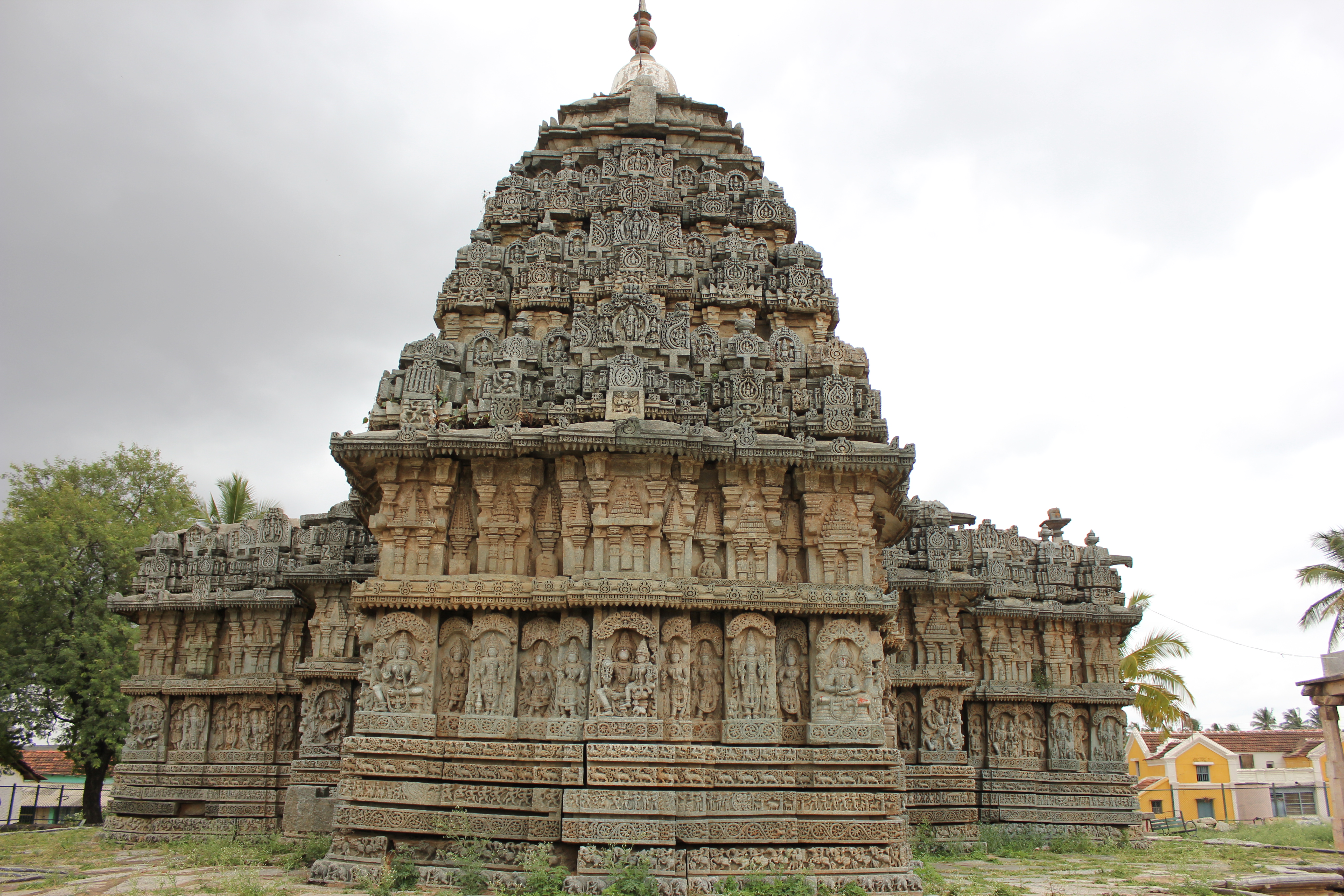 Cross Connection~11.4 kmdirect
Lakshminarasimha Temple
ಲಕ್ಷ್ಮೀನರಸಿಂಹ ದೇವಾಲಯ
Javagal, Hassan
 Cross Connection~13.58 kmdirect
Lakshmi Devi Temple
ಲಕ್ಷ್ಮೀ ದೇವಿ ದೇವಾಲಯ
Doddagaddavalli, Hassan
Chennakeshava Temple
ಚೆನ್ನಕೇಶವ ದೇವಾಲಯ · Belur