Chennakesava Temple
ಚೆನ್ನಕೇಶವ ದೇವಾಲಯ
- Consecration· ನಿರ್ಮಾಣ ಕಾಲ
- 1268 CE (13th Century)
- Royal Patron· ಪೋಷಕರು
- Somanatha Dandanayaka, high-ranking general under King Narasimha III
- Sanctum Deity· ಪ್ರಧಾನ ದೈವ
- Keshava (Vishnu) with Janardhana and Venugopala
- Territory· ಸ್ಥಳ
- Somanathapura, Mysuru
- UNESCO Heritage· ವಿಶ್ವ ಪರಂಪರೆ
- UNESCO World Heritage Site since 2023 (Sacred Ensembles of the Hoysalas)
The Chennakesava Temple at Somanathapura is a magnificent trikuta (triple-shrine) Vaishnava temple situated along the Kaveri River. Recognized as part of the UNESCO World Heritage Sacred Ensembles of the Hoysalas, it is celebrated for its perfectly balanced stellate layout, three fully preserved towers (shikharas), and richly sculpted outer cloistered courtyard.
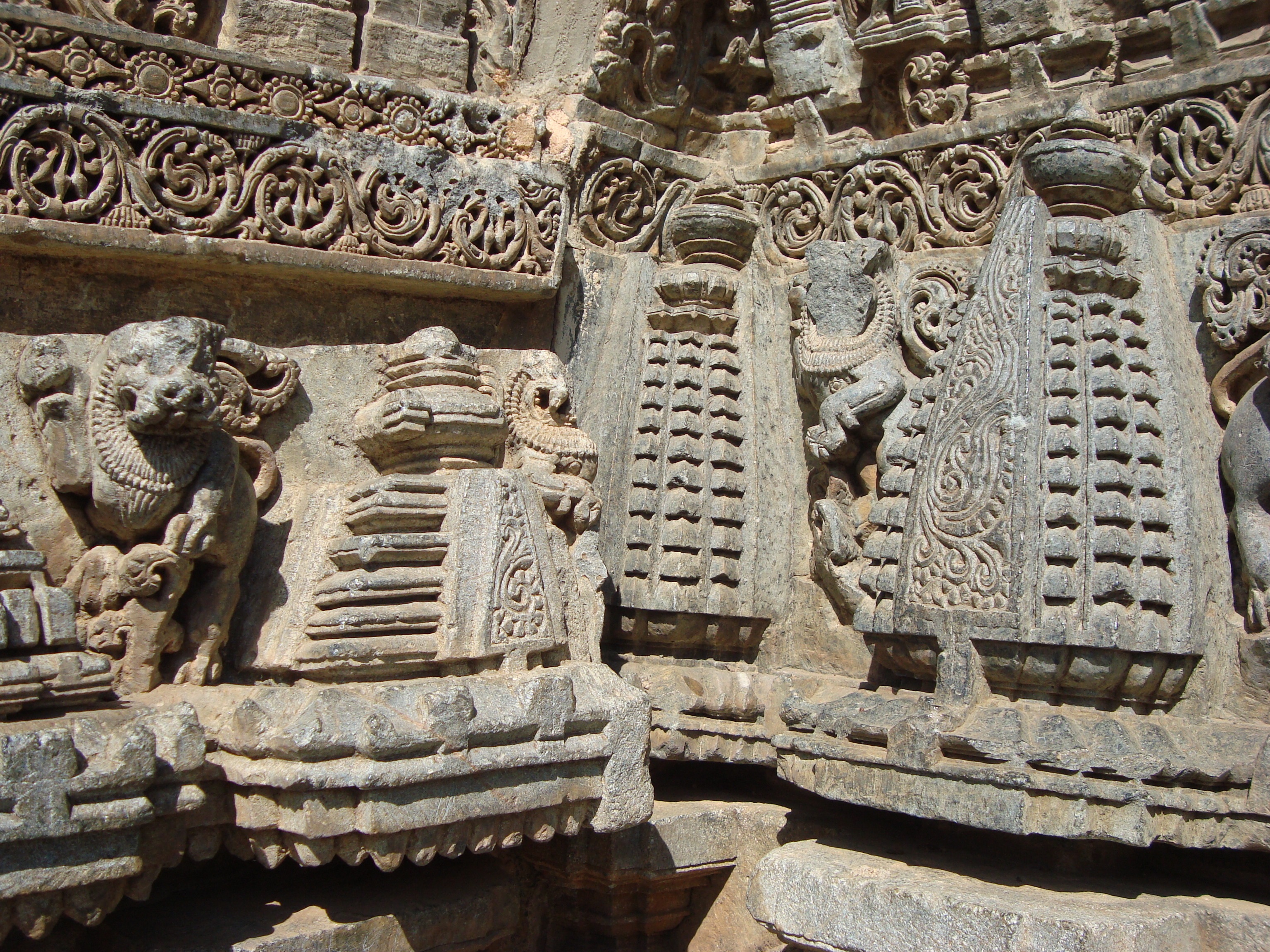
Sanctuary Gallery & Details
Historical Foundations of Chennakesava Temple
Commissioned in 1268 CE by Somanatha Dandanayaka, a general in the service of Hoysala King Narasimha III, the temple was built as the centerpiece of an agrahara (scholarly settlement). Consecrated with three shrines dedicated to Keshava, Janardhana, and Venugopala, the complex withstood subsequent conflicts during the late Hoysala and Vijayanagara periods. Although the original central Keshava murti was damaged and later removed, the surrounding Janardhana and Venugopala idols remain in worship-worthy state. Today, the monument is meticulously conserved by the Archaeological Survey of India.
Architectural Elements & Design
The distinctive sculpture and structural innovations that define the sanctuary layout at Chennakesava Temple.
Trikuta (three-shrine) symmetrical layout raised on an elevated stellate jagati platform
Three fully intact stone shikharas (superstructures) topped with kalashas
Rectangular enclosed cloister (prakara) lined with miniature shrines and pillared verandas
Continuous relief friezes depicting elephants, horses, mythical makaras, and swans
Intricate narrative relief bands illustrating scenes from the Bhagavata Purana, Mahabharata, and Ramayana
Exquisitely turned soapstone pillars with bell and ring contours in the navaranga
Elaborate rosette and lotus ceiling medallions inside the central congregation hall
Visiting Sanctuary & Access
Operational Schedule & Entry
Managed by the Archaeological Survey of India (ASI). Open daily from 9:00 AM to 5:30 PM. A nominal ASI entry ticket applies (free for children under 15). Located approximately 38 km east of Mysuru and easily accessible by road. Photography is allowed on the exterior grounds; shoe racks and guided information boards are available on site.
Location & Transit Hub
Situated in Somanathapura, Mysuru district (Mysuru circuit). Accessible via state highways with local taxi/bus links from district headquarters.
Preservation & ASI Guidelines
Protected national monument. Footwear must be deposited at the outer entrance before stepping onto the raised soapstone jagati (platform). Flash photography inside inner sanctums is restricted.
Best Hours of Illumination
Early morning and late afternoon sunlight reveal the deep relief of lathe-turned columns and frieze relief bands with minimum stone heat.
Connected Sanctuaries in the Hoysala Network
Temples linked by geographic proximity and epigraphical trade routes in the regional network.
 Sacred Ring Node~49.69 kmdirect
Mallikarjuna Temple
ಮಲ್ಲಿಕಾರ್ಜುನ ದೇವಾಲಯ
Basaralu, Mandya
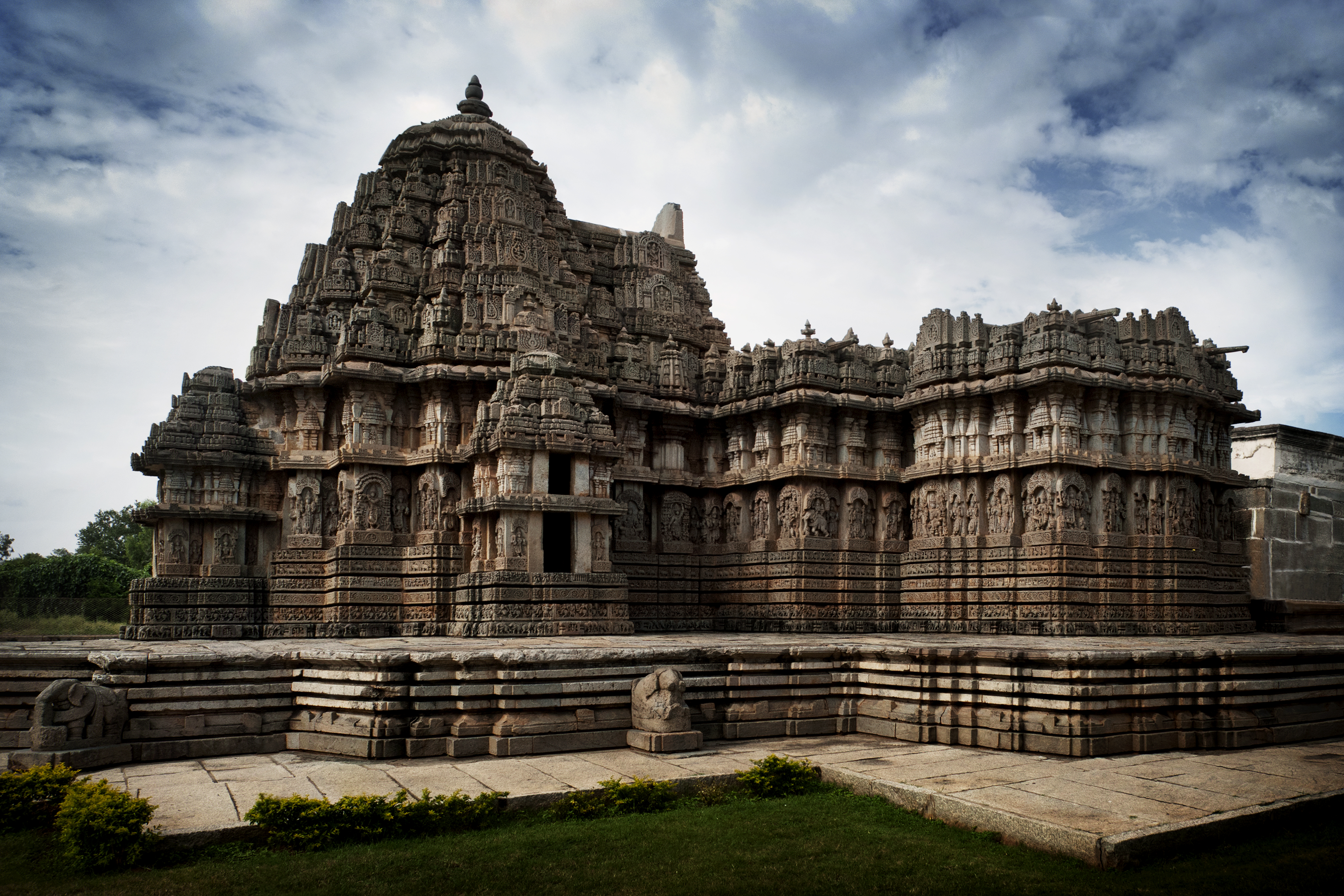 Sacred Ring Node~60.05 kmdirect
Lakshminarayana Temple
ಲಕ್ಷ್ಮೀನಾರಾಯಣ ದೇವಾಲಯ
Hosaholalu, Mandya
 Cross Connection~74.32 kmdirect
Brahmeshvara Temple
ಬ್ರಹ್ಮೇಶ್ವರ ದೇವಾಲಯ
Kikkeri, Mandya
Mallikarjuna Temple
ಮಲ್ಲಿಕಾರ್ಜುನ ದೇವಾಲಯ · Basaralu